Why Opt for OEM Car Parts? Boost Your Vehicle's Lifespan and Trustworthiness
Choosing OEM car parts can considerably impact vehicle strength and performance. These parts are fashioned to meet strict original specifications, ensuring a precise fit and excellent performance. By emphasizing OEM parts, owners can enhance reliability and lower the risk of subsequent repairs. However, the decision between OEM and aftermarket possibilities often raises uncertainties. What factors should be considered when deciding which route to take? Understanding the implications can enable more informed decisions.
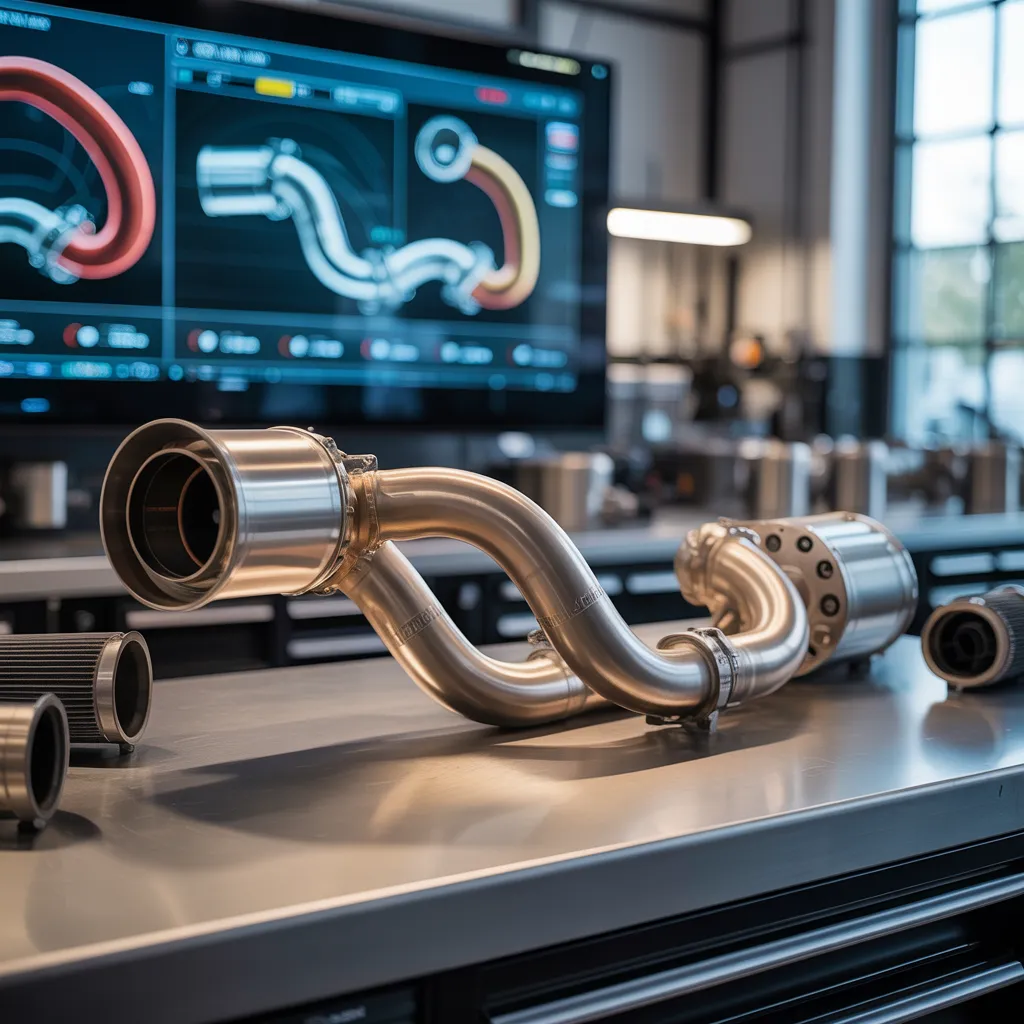
The Value of OEM Parts for Your Vehicle
When evaluating car upkeep, many vehicle proprietors overlook the importance of using OEM (Original Equipment Manufacturer) parts. These parts are purposefully engineered to satisfy the original specifications of the vehicle, guaranteeing compatibility and peak performance. Unlike aftermarket parts, which may differ in quality and fit, OEM parts offer a dependable option that adheres to the manufacturer's standards. This conformity not only enables correct operation but also preserves the vehicle's warranty coverage.
Furthermore, utilizing OEM parts can enhance the vehicle's lifespan. These parts are crafted from premium materials, engineered for strength and longevity. As a result, they often result in fewer repairs and replacements over time. In addition, the use of OEM parts can also improve market worth, as prospective buyers tend to prefer vehicles maintained with authentic parts. Overall, the significance of OEM parts cannot be overstated, as they are essential in automotive upkeep and dependability.
OEM parts are crafted with exact precision, delivering peak performance and reliability for cars. Their confirmed fit with specific makes and models strengthens vehicle safety by minimizing the risk of malfunction. In addition, many OEM components incorporate advanced safety features that improve comprehensive vehicle security.
Precision Engineering Advantages
The precision engineering of OEM car parts significantly improves vehicle performance and safety by ensuring that each component adheres to the precise specifications set by the manufacturer. These parts are crafted with careful precision, allowing for smooth integration with existing systems. Consequently, vehicles equipped with OEM components enjoy better handling, responsiveness, and an overall enhanced driving experience. The strength of these parts also contributes to enhanced safety, reducing the risk of failures that could result in accidents. Furthermore, OEM parts stringent testing to comply with safety standards, providing drivers with peace of mind. By choosing precision-engineered OEM parts, vehicle owners can guarantee top-notch functionality and reliability, ultimately prolonging their vehicles' lifespan while prioritizing road safety.
Guaranteed Compatibility Assurance
The integration of OEM car parts guarantees compatibility with a vehicle's current systems, a factor that considerably enhances both efficiency and safety. These parts are engineered to meet the exact specifications set by the manufacturer, guaranteeing seamless integration. This accuracy reduces the likelihood of malfunctions that can arise from using non-OEM components, which may not fit or fit properly. By maintaining the original design and engineering standards, OEM parts help preserve the vehicle's intended performance, leading to improved performance and reliability. Additionally, this compatibility reduces the risk of wear and tear on other components, thereby extending the vehicle's lifespan. Ultimately, choosing OEM parts fosters a more reliable driving experience while guaranteeing that all systems operate harmoniously.
Improved Safety Characteristics
Picking OEM car parts markedly strengthens safety features in vehicles. OEM parts are tailored for each vehicle model, ensuring proper alignment and operation. This precision helps copyright essential safety systems such as braking, steering, and airbag deployment. For instance, OEM brake pads offer steady stopping power, minimizing the risk of accidents. In addition, OEM parts undergo rigorous testing standards, ensuring that they surpass safety regulations. This reliability strengthens the overall performance of safety mechanisms, ultimately safeguarding occupants during a collision. Moreover, using OEM components can circumvent secondary issues arising from incompatible aftermarket parts, ensuring the vehicle operates as intended. Consequently, selecting OEM parts is a prudent choice for strengthening both performance and safety.
The Case for Opting for OEM Over Aftermarket Parts: A Comprehensive Review
When evaluating vehicle upkeep and repairs, the contrast between OEM (Original Equipment Manufacturer) and third-party parts becomes crucial. OEM parts are uniquely designed for a particular vehicle make and model, ensuring ideal fit and performance. In contrast, aftermarket parts may vary in quality, compatibility, and performance, as they are made by third-party producers.
One primary advantage of OEM parts is their compliance with stringent manufacturing standards, often producing higher durability and reliability. This can be especially important for critical components where peak performance matters. Additionally, using OEM parts usually preserves the vehicle's resale value and warranty, as they maintain the manufacturer's specifications.
On the other hand, while non-original components may provide cost savings, the possible dangers include reduced quality and greater chance of early breakdown. As a result, vehicle owners must weigh the advantages of original equipment manufacturer components against the uncertainties of aftermarket alternatives when making repair decisions.
Long-Term Cost Reduction With OEM Parts
Going with OEM parts can lead to significant long-term cost reductions for car proprietors. By cutting maintenance expenses and boosting the car's market worth, these components provide monetary advantages that surpass the original investment. Ultimately, investing in OEM parts may turn out to be a wise choice for those looking to preserve their vehicle's performance and worth.
Lowered Repair Expenses
Opting for OEM car parts can produce major long-term financial gains by cutting repair charges. OEM parts are designed specifically for each vehicle model, ensuring a snug fit and superior performance. This fit quality reduces the chance of early failures, which can arise from using aftermarket alternatives. By selecting OEM parts, vehicle owners frequently observe fewer repairs and maintenance needs over time, contributing to lower maintenance expenses. Additionally, these parts regularly feature warranties, delivering additional financial safeguards against defects. As a result, the initial commitment in OEM parts can save money in the long run by limiting the frequency and cost of repairs, allowing owners to enjoy a more solid and cost-effective ownership experience.
Higher Resale Value
The enhanced resale value of a vehicle often indicates the quality of its parts, and OEM car parts play an important role in upholding that quality. Vehicle owners confirm that their cars retain their integrity and functionality over time by using OEM parts. Prospective buyers often prioritize vehicles with a documented history of OEM parts, as these components are custom-built for the make and model, guaranteeing peak compatibility and reliability. Focusing on quality appeals to buyers but also warrants a higher asking price. Ultimately, investing in OEM parts can yield significant financial returns because a well-maintained vehicle with genuine parts is more likely to command a premium in the resale market.
Maximizing Your Car's Resale Market Value With OEM Parts
Using OEM parts can significantly boost a vehicle's selling price, attracting selective purchasers who emphasize quality and authenticity. When putting a car on the market, potential buyers often scrutinize the parts used during repairs and maintenance. OEM parts, engineered for the vehicle, guarantee buyers of reliability and performance that aftermarket alternatives may not provide.
Furthermore, cars kept with OEM parts typically show superior general state, which can favorably impact buyer viewpoint. Comprehensive maintenance documentation highlighting the use of OEM components can also serve as strong selling points, strengthening the owner's commitment to quality care.
In regions where brand loyalty is substantial, vehicles equipped with OEM parts may achieve higher valuations. In conclusion, investing in OEM components not only improves the vehicle's performance during ownership but also contributes to a more favorable resale value, rendering it a wise choice for upcoming resale purposes.
Verifying Original OEM Parts for Your Car
How can one verify they are purchasing genuine OEM parts for their car? First, it is essential to verify the part's wrapping and labeling. Genuine OEM parts typically display the manufacturer's logo and part number, which can be cross-referenced with official databases. Additionally, purchasing from certified retailers or authorized service centers ensures the authenticity of the parts.
An additional practical approach is to review the vehicle's owner manual, which presents specific part numbers and descriptions. Online resources and forums dedicated to specific vehicle models can also deliver tips on identifying OEM parts.
In summary, studying the merchant's reputation is essential; reliable sellers often supply guarantees or exchange policies for OEM parts. By utilizing these guidelines, vehicle owners can increase their chances information of purchasing genuine OEM pieces, contributing to their vehicle's longevity and performance.
Smart Tips for Purchasing OEM Parts Both Online and Offline
The market for OEM car parts, whether online or offline, requires a deliberate strategy to guarantee quality and authenticity. First, buyers should research reputable dealers and manufacturers, concentrating on those with positive reviews and a solid track record. When shopping online, confirming the seller's credentials is essential; authorized distributors or official websites are often safer options. Additionally, using VIN Vehicle Identification Number can help determine compatibility with the particular vehicle model.
For offline purchases, visiting local dealerships or certified auto parts stores can offer direct access to genuine parts. It's also advisable to compare prices and ask about warranties, as these can reflect reliability. Finally, keeping an eye out for return policies adds a layer of security, allowing returns if the parts do not meet expectations. By following these tips, buyers can confidently navigate the OEM parts market, improving their vehicle’s lifespan and performance.
Frequently Asked Questions
Can authentic equipment components work alongside All different car models?
OEM components are customized for each vehicle model, providing optimal compatibility. However, they may not function universally across vehicles. It's important to check compatibility with the vehicle's make and model before purchasing OEM parts.
Can I Authenticate a Part's OEM Authenticity?
To confirm a part's OEM authenticity, one should review the part number against the manufacturer's records, scrutinize packaging for official branding, and consult authorized distributors or service centers for assurance of legitimacy.
What Guarantee Selections Can You Find for OEM Parts?
OEM parts usually come with warranties ranging from one to three years, based on the manufacturer. These warranties frequently cover defects in materials and workmanship, providing assurance of quality and reliability for vehicle owners.
Are OEM Parts Provided in Multiple Price Ranges?
OEM parts are available in varying price points, affected by elements such as vehicle model, part type, and maker. Customers often discover variations, allowing them to choose options that fit their financial constraints and requirements.
Is it Possible to Mount OEM Parts on My Own, or Should I Hire a Professional?
OEM parts can be fitted by people possessing adequate mechanical abilities, but engaging a professional is often recommended for complex installations. Professional mechanics confirm proper fitting and functionality, boosting the vehicle's safety and performance.